
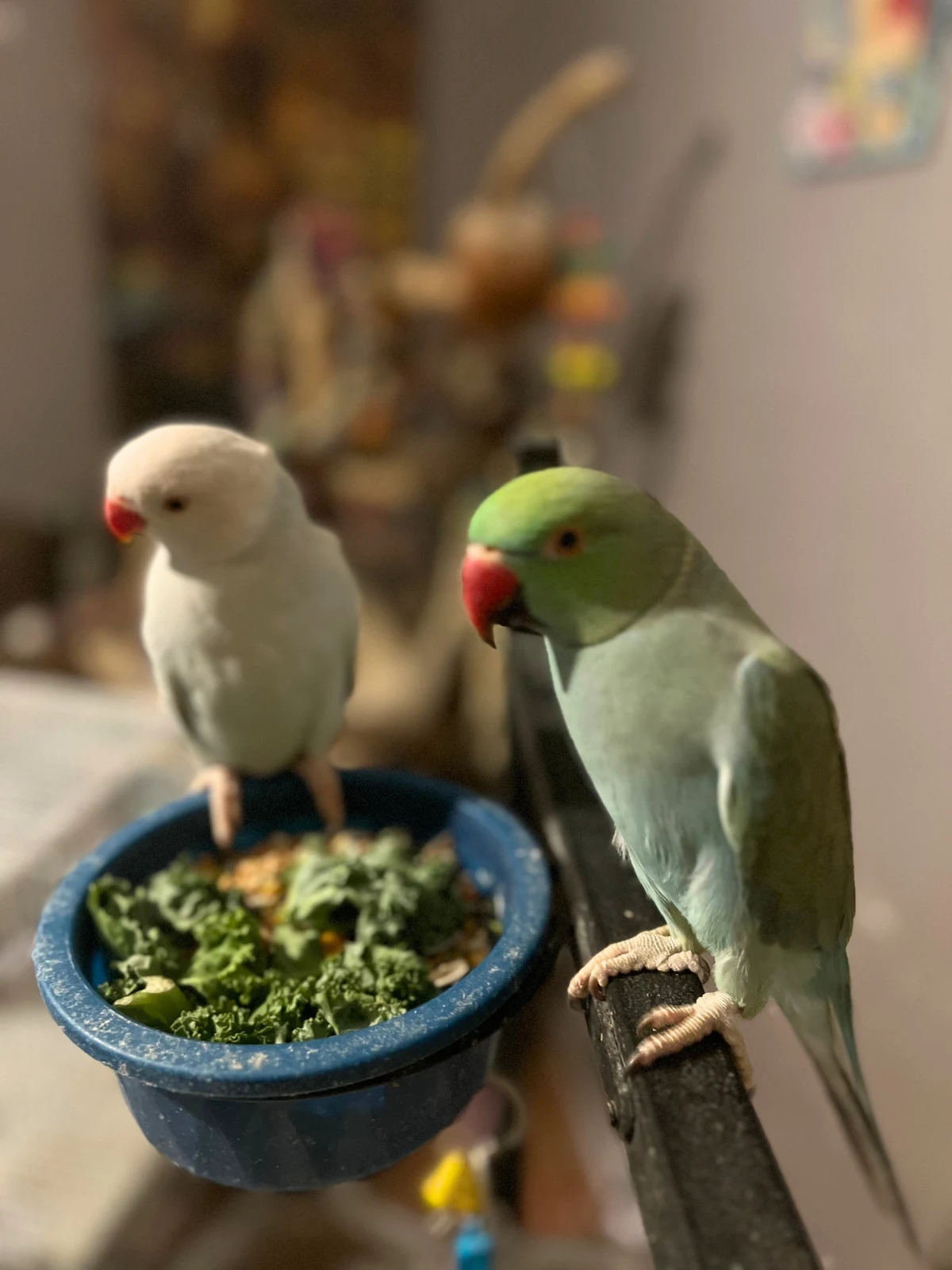
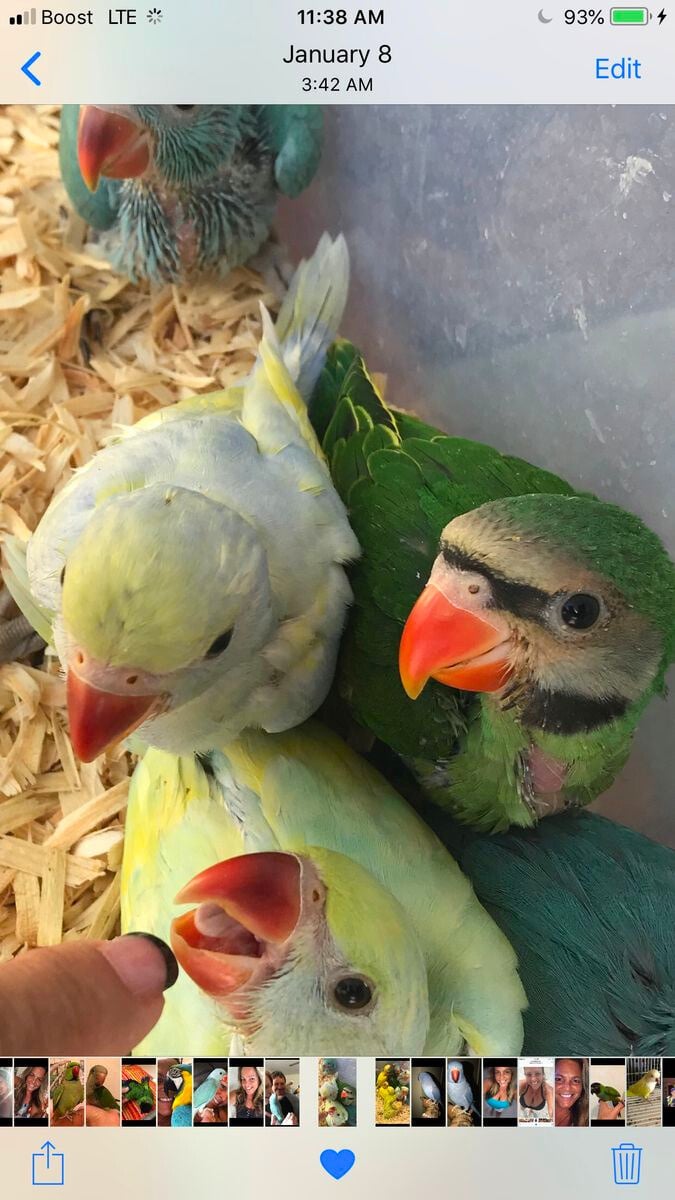
For weaned companion birds. An unweaned chick needs an individual feeding plan from an experienced breeder and avian veterinarian.
Foods to keep away from your bird
Onion, garlic & related plants
Leave onion, garlic, and seasoned foods out of your bird’s meals. Check ingredient lists on prepared foods and bean mixes.
Caffeine
Do not offer coffee, caffeinated tea, energy drinks, or caffeinated soft drinks. Water should be your bird’s everyday drink.
Artificial sweeteners
Avoid artificially sweetened foods and drinks. Do not use human supplements or sweetened products as bird treats.
Chocolate
Keep chocolate, cocoa, and chocolate-containing snacks away from your bird.
Alcohol
Do not give your bird alcohol or food and drinks containing it.
Avocado
Keep avocado flesh, skin, pits, and the plant out of reach. Do not share guacamole or foods containing avocado.
Mushrooms
Our aviary guide excludes mushrooms. Do not offer unidentified wild mushrooms or assume a mushroom is suitable for your bird.
Fruit pits & apple seeds
Remove pits from cherries, peaches, apricots, nectarines, and plums. Remove apple seeds before serving fruit.
Dairy
Dairy is not a necessary part of a parrot’s diet. Ask your avian veterinarian before offering it, and avoid spoiled, moldy, sweetened, salty, or fatty products.
Salt & processed snacks
Avoid salted crackers, chips, seasoned popcorn, and other salty snacks. Check labels rather than assuming “low salt” means suitable for a bird.
Nuts & peanuts: choose carefully
Nuts are not all forbidden. Species, portions, freshness, and sourcing matter. Use plain, unsalted products appropriate for your bird, avoid moldy nuts, and ask your avian veterinarian about peanuts. Do not rely on home boiling or roasting to make contaminated nuts safe.
A little care goes a long way.
Ask Persia about your bird’s current routine. For health, diet changes, plant identification, or suspected poisoning, speak with an avian veterinarian.