
BEFORE YOU BEGIN
The original aviary reference includes the names below as plants to avoid or identify carefully. This is not an exhaustive toxicity database; the species, plant part, and exposure matter.
Original aviary plant reference
- Amaryllis
- Andromeda
- Avocado
- Azalea
- Baneberry
- Bean plant
- Belladonna
- Bird of paradise
- Black locust
- Bleeding heart
- Boxwood
- Bulb flowers
- Buttercup
- Bracken fern
- Caladium
- Clover
- Coffee plants
- Cherry tree
- Chestnut tree
- Clematis
- Coral plant
- Cowslip
- Crown vetch
- Daffodil
- Daphne
- Delphinium
- Dieffenbachia
- Elderberry
- Elephant ear
- Eucalyptus — dried
- Euonymus
- Felt plant
- Ficus
- Firethorn
- Flame tree
- Four o’clocks
- Foxglove
- Heliotrope
- Holly
- Honeysuckle
- Hyacinth
- Hydrangea
- Iris
- Ivy
- Jasmine
- Jerusalem cherry
- Jimsonweed
- Juniper
- Marigold
- May apple
- Milkweed
- Mistletoe
- Mock orange
- Monkshood
- Morning glory
- Mountain laurel
- Mushrooms
- Narcissus
- Nectarine trees
- Nettles
- Nightshade
- Nutmeg
- Oak trees
- Oleander
- Peach tree
- Periwinkle
- Philodendron
- Pigweed
- Plum trees
- Poison ivy
- Poison oak
- Poison sumac
- Pokeweed
- Potato plants
- Pothos
- Privet hedge
- Prune trees
- Purple sesbania
- Ranunculus
- Red maple
- Rhododendrons
- Rhubarb leaves
- Rubber plant
- Sandbox tree
- Shamrocks
- Skunk cabbage
- Snowdrop
- Sorrel
- Spurges
- Sweet pea
- Tobacco
- Trumpet vines
- Tomato plants
- Vetch
- Wattle
- White cedar
- Wisteria
- Wild sunflowers
- Yews
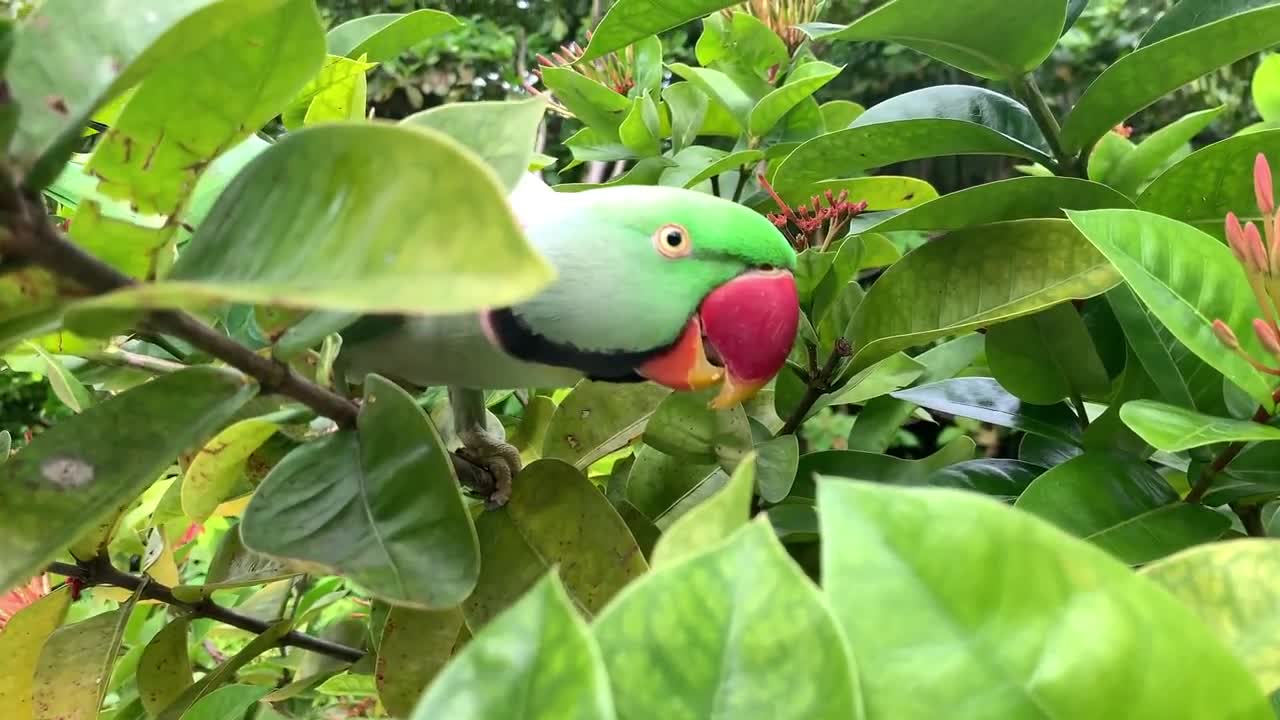
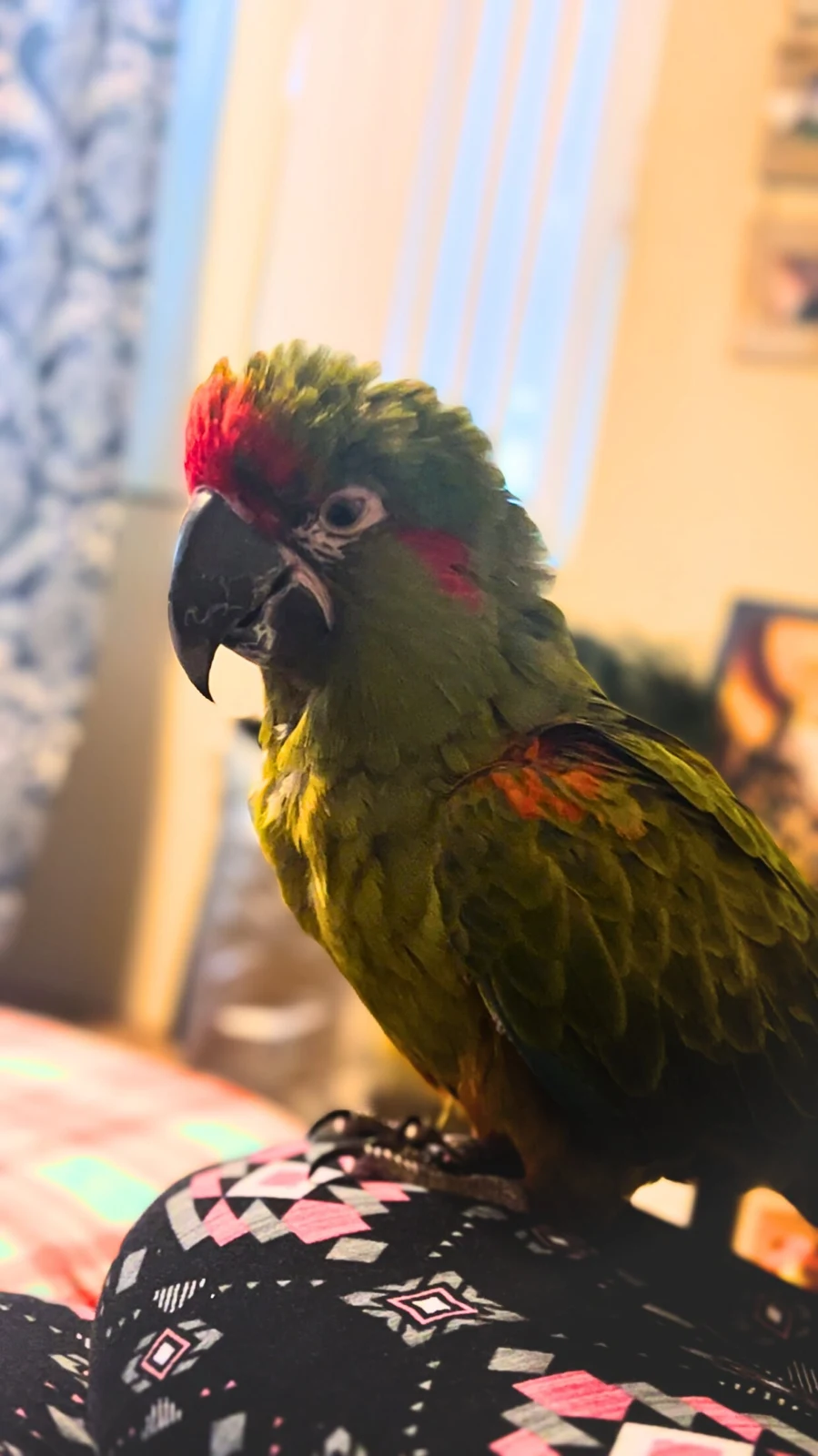
A name can appear on more than one list
The original safe and toxic lists overlap for names such as coffee tree, rubber plant, and figs/Ficus. Broad labels such as ivy, fern, palm, and bulb flowers also cover different plants. Do not resolve this by guessing: use the botanical name and ask your avian veterinarian before allowing contact.
A little care goes a long way.
Ask Persia about your bird’s current routine. For health, diet changes, plant identification, or suspected poisoning, speak with an avian veterinarian.
FURTHER READINGVCA: plants toxic to birds ↗