
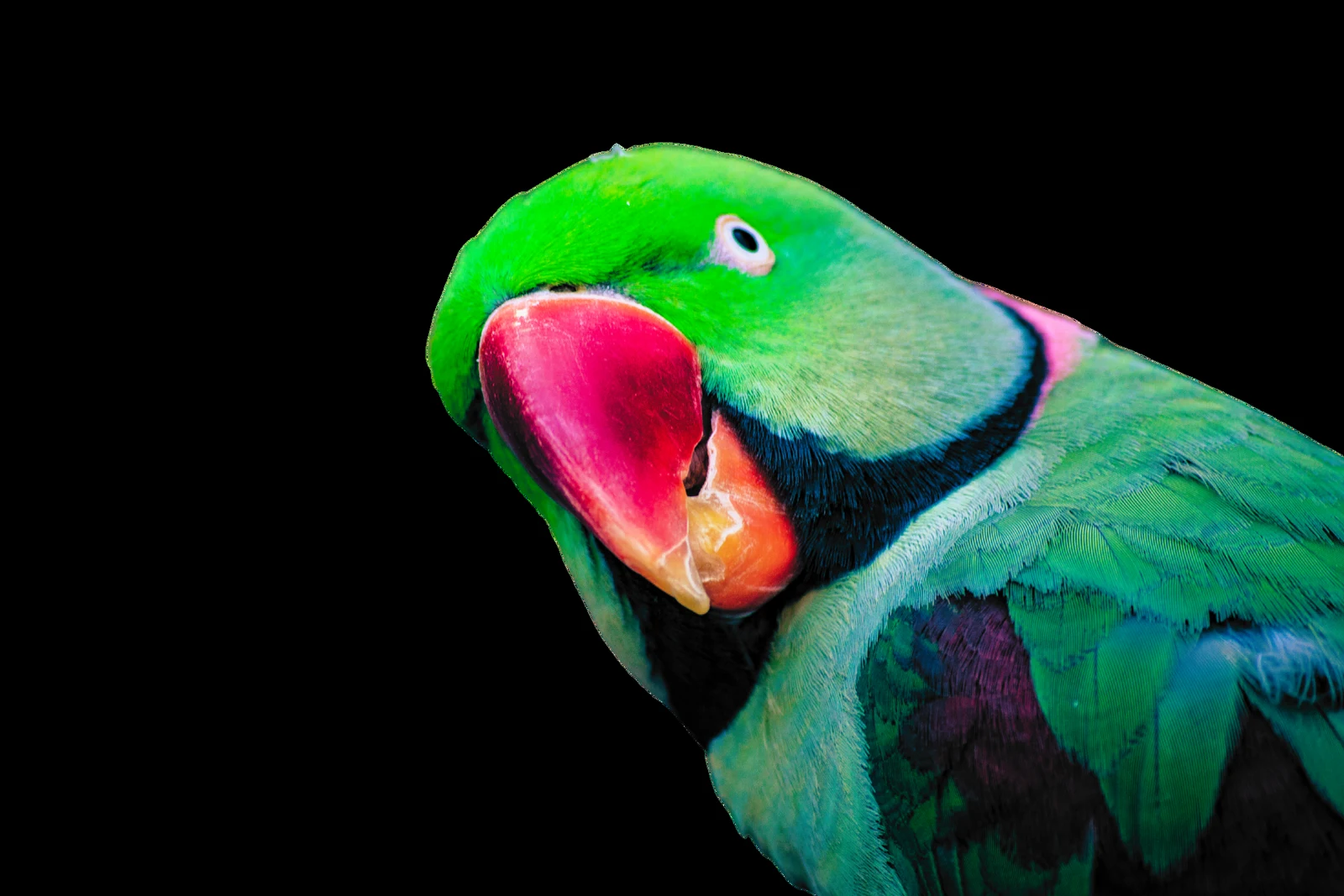
“Safe” is not a guarantee for every bird, every plant part, or every preparation. Confirm botanical names and keep pesticides, fertilizers, treated wood, and contaminated materials away from your bird.
Plant names from our original guide
- Acacia
- African violet
- Baby’s tears
- Bamboo
- Begonia
- Boston fern
- Bougainvillea
- Chickweed
- Christmas cactus
- Coleus
- Crab apple
- Dandelion
- Dogwood
- Donkey tail
- Easter cactus
- Gardenia
- Grape ivy
- Hens & chickens
- Jade plant
- Magnolia
- Nasturtium
- Oregano
- Petunias
- Prayer plant
- Rose
- Rosemary
- Sensitive plant
- Spider plant
- Swedish ivy
- Thyme
- Thistle
- Wax plant
- White clover
- Zebra plant
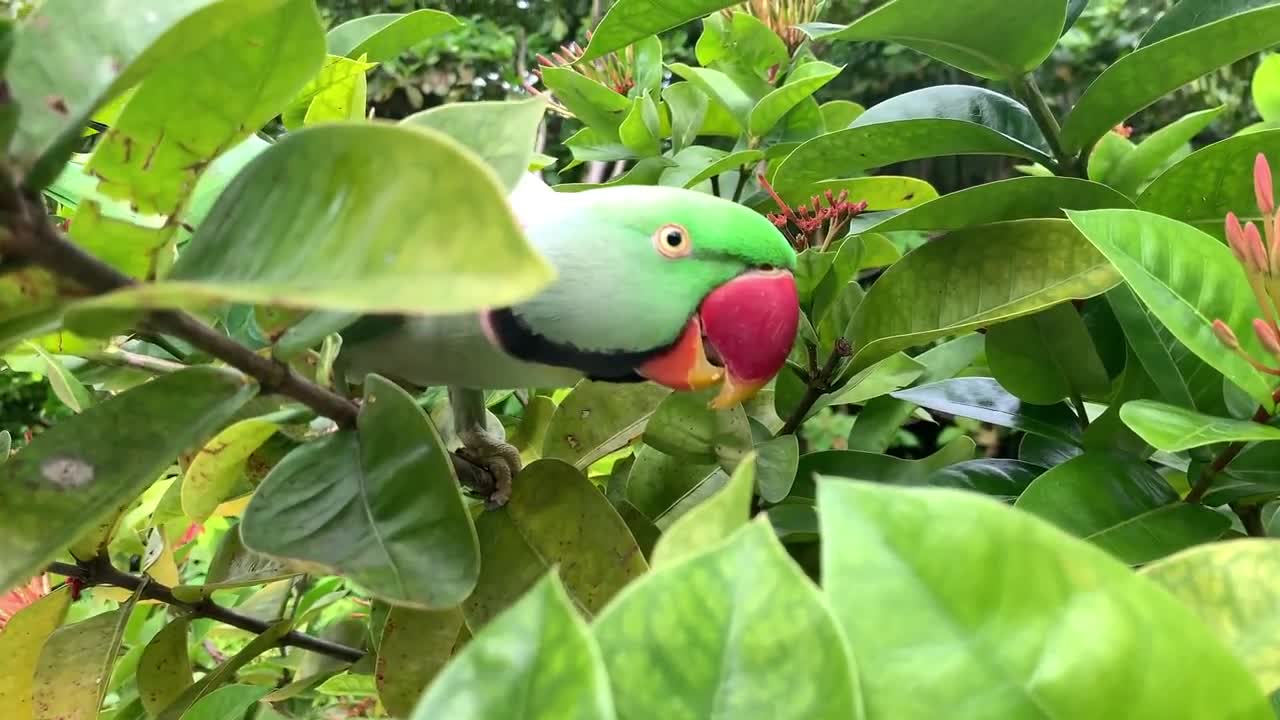
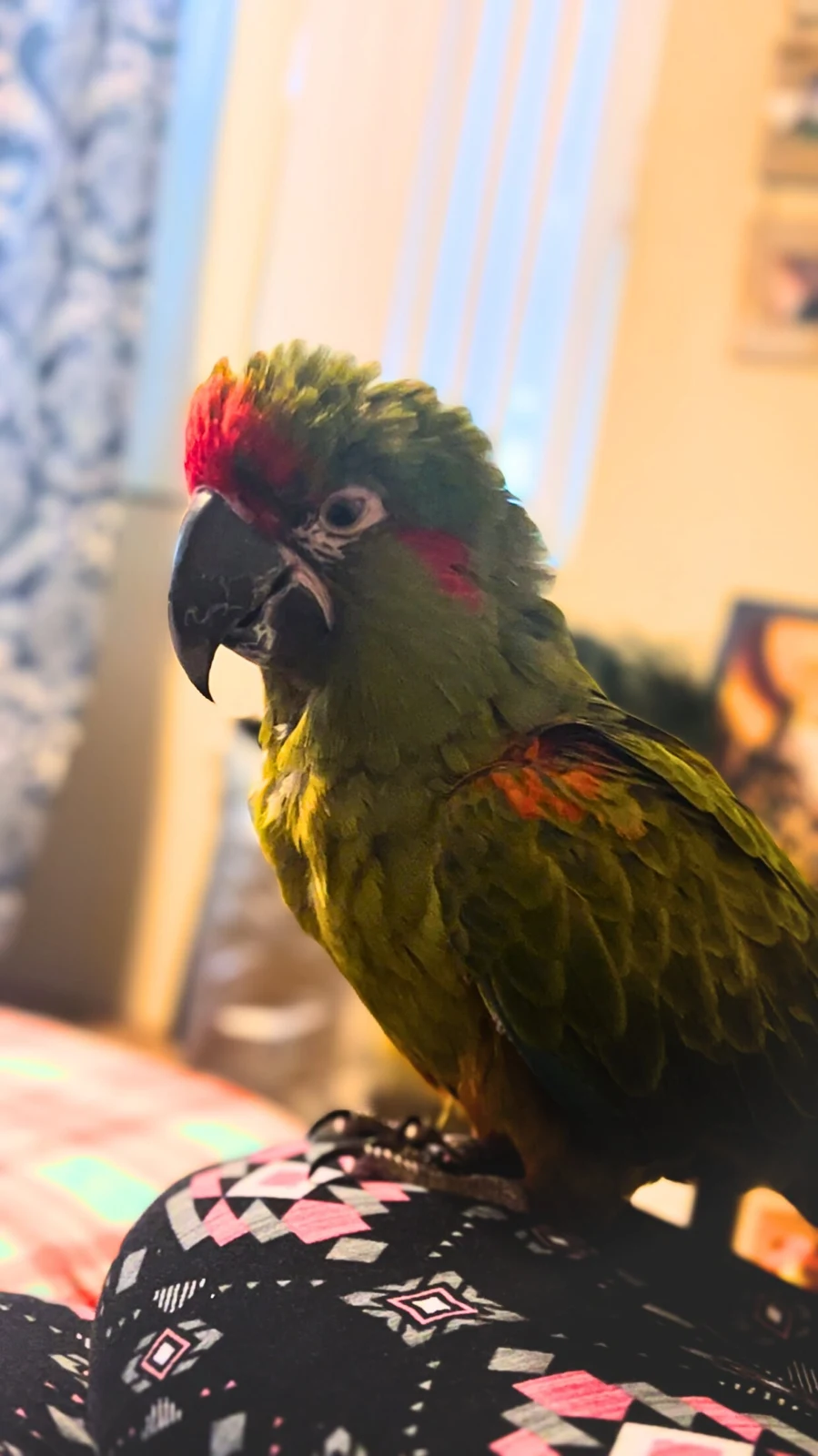
Identify these entries before using them
The original guide also includes aloe, asparagus fern, coffee tree, corn plant, Dracaena, dragon tree, ferns, figs, Kalanchoe, monkey plant, palms, Pittosporum, rubber tree, Schefflera, snake plant, and Tradescantia (sometimes called inch plant). Common names and safety reports vary; some overlap with the original toxic list. Keep these out of reach until an avian veterinarian confirms the exact species and intended use.
A note about eucalyptus
The original guide distinguishes fresh eucalyptus branches from dried or processed material. Do not treat that distinction as a safety test. Confirm the species, plant part, source, and preparation with your avian veterinarian; essential oils and treated decorative branches are not interchangeable with a living plant.
Non-toxic does not mean unlimited
A plant used for scenery or browse is not automatically a food recommendation. Supervise exploration and use a balanced, species-appropriate diet rather than relying on houseplants for nutrition.
A little care goes a long way.
Ask Persia about your bird’s current routine. For health, diet changes, plant identification, or suspected poisoning, speak with an avian veterinarian.