
If your bird may have inhaled fumes, swallowed a harmful substance, or suffered an injury, contact an avian veterinarian or emergency veterinary hospital promptly.
Before your bird comes out
Turn off ceiling fans
Switch fans off before your bird leaves the enclosure. Keep doors and windows secured and supervise out-of-enclosure time.
Make windows visible
Close curtains or use appropriate window coverings to help prevent collisions with glass. Be mindful of mirrors too.
Protect electrical cords
Keep cords, plugs, and small chewable electrical items out of reach. Inspect the spaces your bird can access.
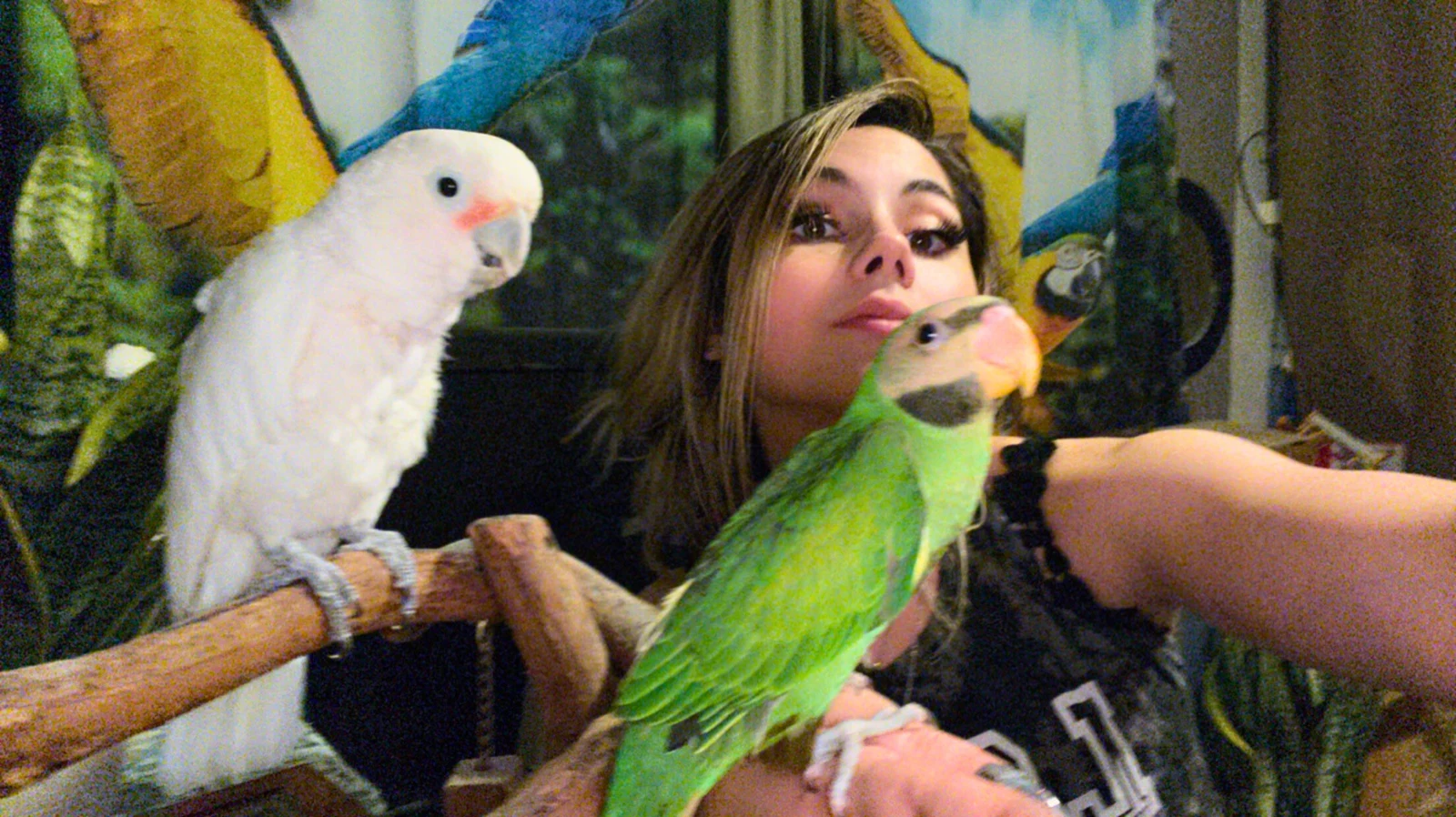
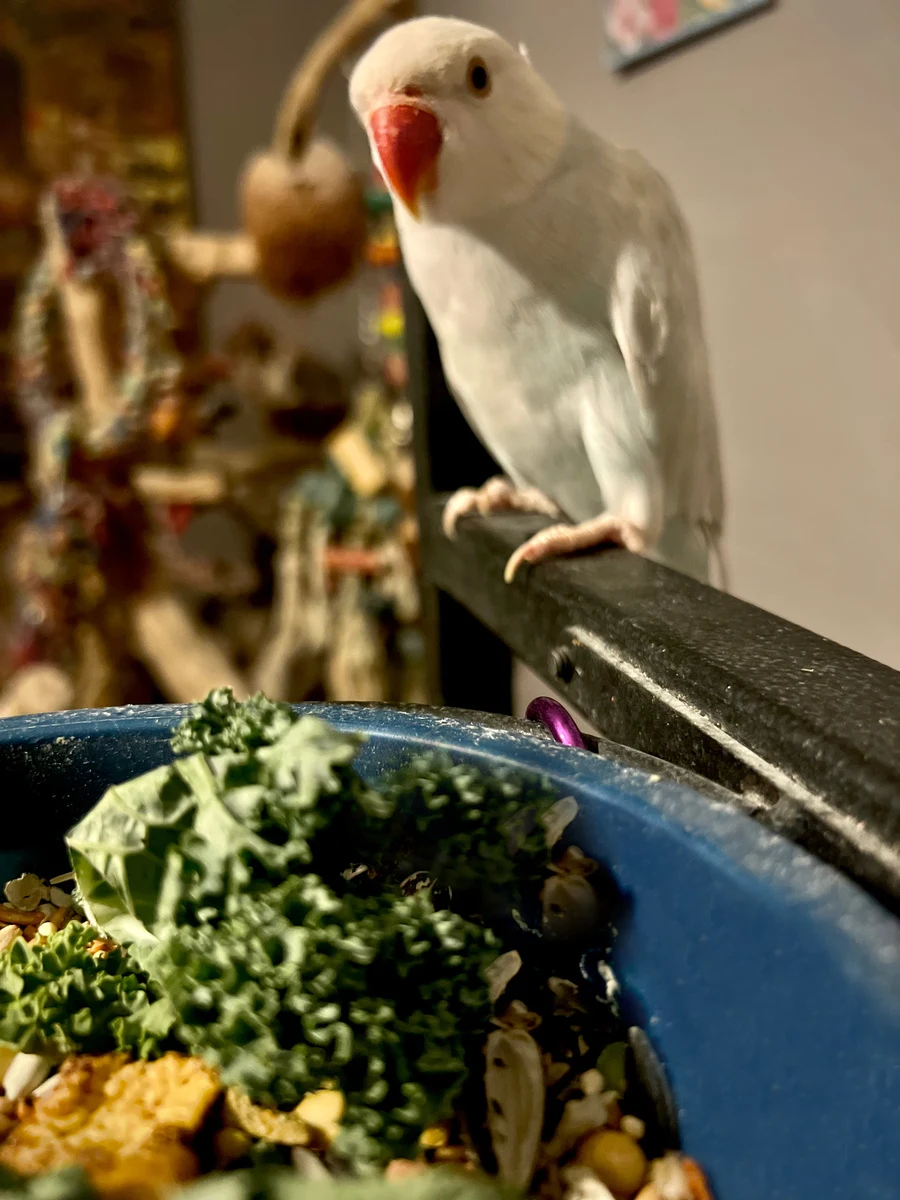
Keep the kitchen a bird-free zone
Hot water, hot oil, open cookware, cooking smoke, and hot surfaces can all injure a bird. Keep your bird away from cooking areas, including adjacent spaces exposed to fumes.
Non-stick coatings & heated appliances
Overheated PTFE-containing coatings can release dangerous fumes. Check cookware and heated appliances for non-stick coatings, and do not assume a product is suitable simply because it is marketed for home use. Keep birds away from cooking and self-cleaning oven fumes.
Think about the air they breathe
Avoid exposing your bird to smoke, aerosols, air fresheners, scented candles, essential oil diffusers, and cleaning fumes. Keep your bird away from cleaning products and ventilate appropriately. A lack of a strong smell does not prove the air is safe.
Supervision is part of the setup
Check doors, windows, water containers, hot surfaces, and reachable household items before each session. Keep birds separated from other pets when you cannot directly supervise their interactions.
A little care goes a long way.
Ask Persia about your bird’s current routine. For health, diet changes, plant identification, or suspected poisoning, speak with an avian veterinarian.